Gentle Hands Memory Care
Purpose-built memory care

Care that begins with
knowing the whole person.

Gentle Hands is a small-household residence for people living with Alzheimer's disease and other dementias. Consistent care partners, a calm rhythm to the day, and a team trained to meet a person where they are — not where the disease says they should be.

12 residents per household 1 : 4 daytime staffing Registered nurse on site 24/7

Licensed dementia care residence · State survey results published in full

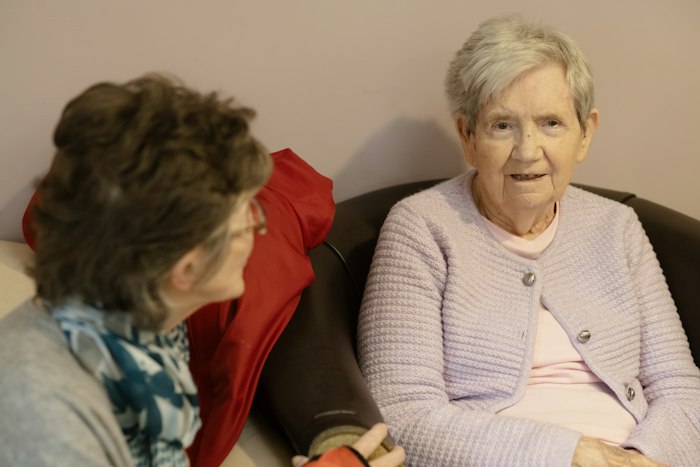
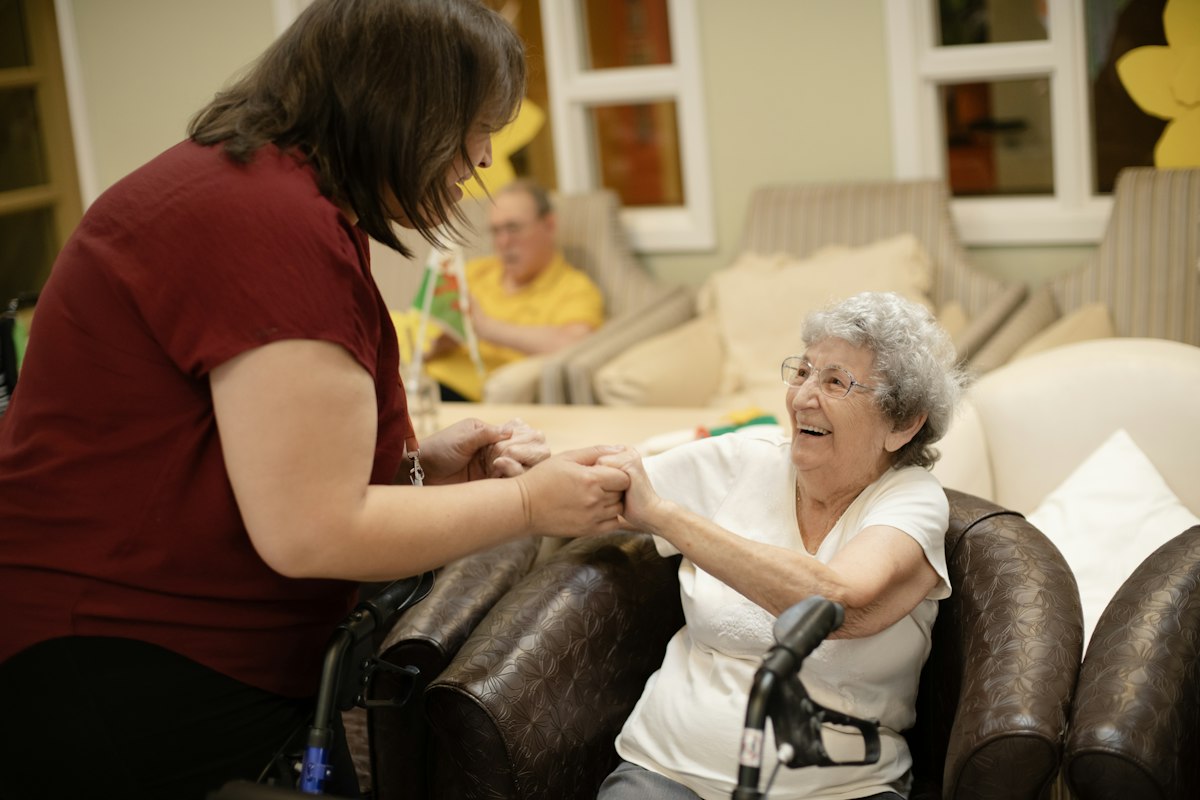
A care partner holding the hands of a laughing older woman seated in a warm, softly lit living room
Always open to family
48 hours
of dementia-specific training before a care partner's first solo shift.
0
Residents per household — small enough that everyone knows every name.
1 : 4
Daytime care-partner ratio, and never fewer than two people awake overnight.
0hrs
Dementia-specific onboarding training before a first unsupervised shift.
0%
Of care partners are still with us two years on — familiarity is the treatment.
Our approach

Dementia care is not a schedule. It is a relationship.

Memory loss takes away recall, but it does not take away feeling, preference, humour or the need to be useful. Everything we do is built around the three things that reliably lower distress in dementia: familiarity, purpose and calm.

We learn the person first

Before move-in day our care lead spends time with your family building a life-story profile — work history, faith, the songs they still sing, how they take their tea, what used to calm them and what never did. That document guides every shift, and it is rewritten whenever we learn something new.
Safety without restraint

The residence is secured at the perimeter, never at the person. Residents move freely through the household and the enclosed garden loop, and because the exit is disguised rather than locked in their path, we see far less of the agitation that comes from being visibly confined.

A calm, predictable day

Meals, light and activity follow the same rhythm every day, because an unvarying routine is what lets someone stop bracing for what comes next. We do not move residents between households, wake them for tasks, or rush personal care to fit a rota.

Specialised programs

Six programs, built around what memory keeps longest.

Muscle memory, music, scent, taste and long-ago stories outlast short-term recall. Each programme below is delivered in small groups of two to five people, led by a trained facilitator, and adapted daily to mood and energy rather than fixed to a timetable.

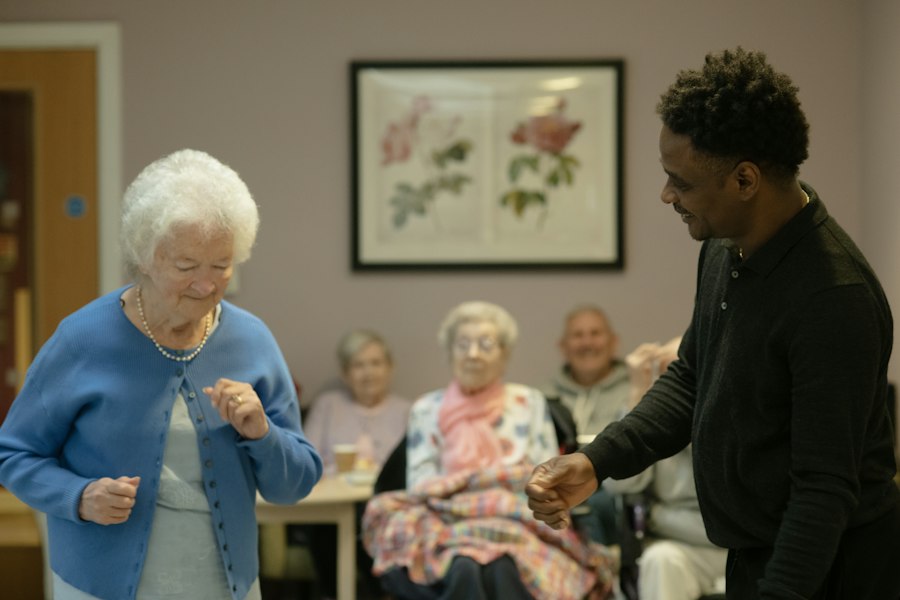
Music & memory A facilitator guiding a small group of older residents through a shared activity in a bright, plant-filled room

Personal soundtracks

Every resident gets a playlist built from the music of their twenties and thirties. We play it at the hours that are hardest — mid-afternoon restlessness, evening settling — and we log each session so families can hear the difference at their next visit.

Daily · 1-on-1 or small group
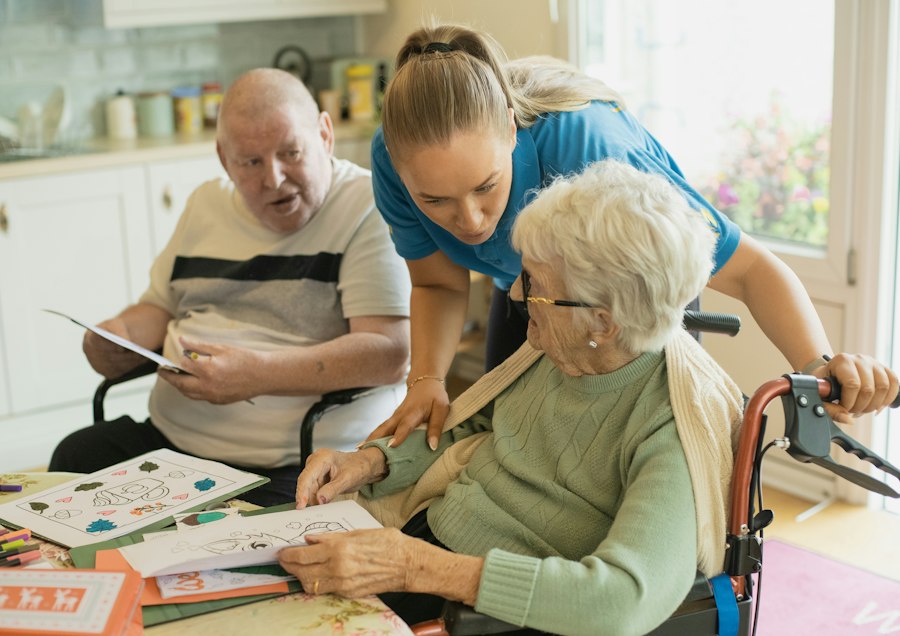
Life story A care partner sitting between two residents helping them work on a craft project at a table

Reminiscence & life-story work

Memory boxes outside every door, a household wall of photographs, and weekly storytelling sessions led from the resident's own history. Long-term memory is the last to go, so we build conversation backwards into the years that still feel solid.

4× weekly · household sitting room
Sensory & art Close view of an older person's hands holding freshly picked yellow flowers against a patterned dress

The making studio

Clay, thread, watercolour, dough and wood — materials chosen because the hands remember the motion even when the instruction is lost. No piece is judged and nothing is corrected: the point is the doing, and the calm that arrives about twenty minutes in.

Daily · drop-in
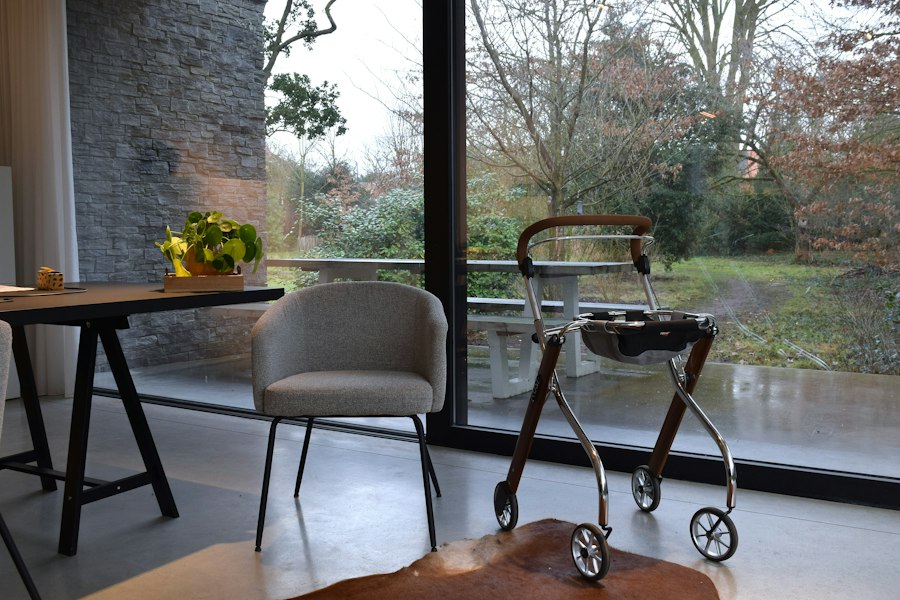
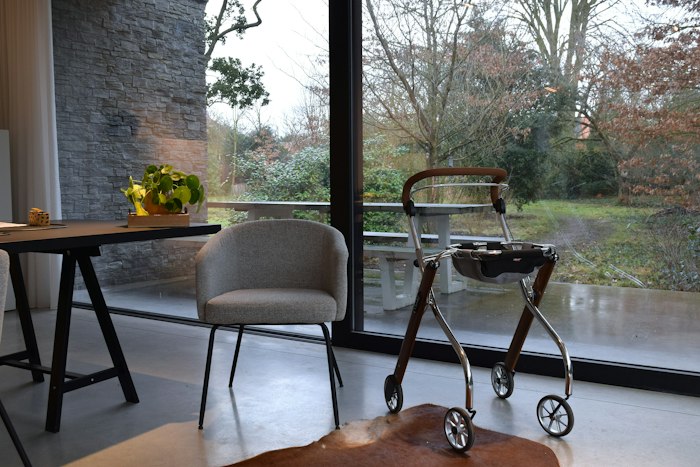
Garden therapy A bright, airy room looking out through tall windows onto greenery, with a walking frame beside a chair and table

Raised-bed gardening

Our walled garden loop is planted at wheel-and-waist height, so residents can sow, prune and pick without bending or being lifted. Herbs go straight to the kitchen. The routine of a growing season gives an anchor that conversation alone often cannot.

Weather permitting · all abilities
Shared tables Overhead view of a shared table of freshly cooked dishes with several hands reaching in to serve one another

Dining as therapy

Meals are cooked in the household kitchen where residents can smell them coming. Finger foods, fortified forks and contrast-coloured plates are offered quietly to whoever needs them — never as a visible label. We eat together, at one table, with no tray service.

Three meals daily · dietitian-reviewed
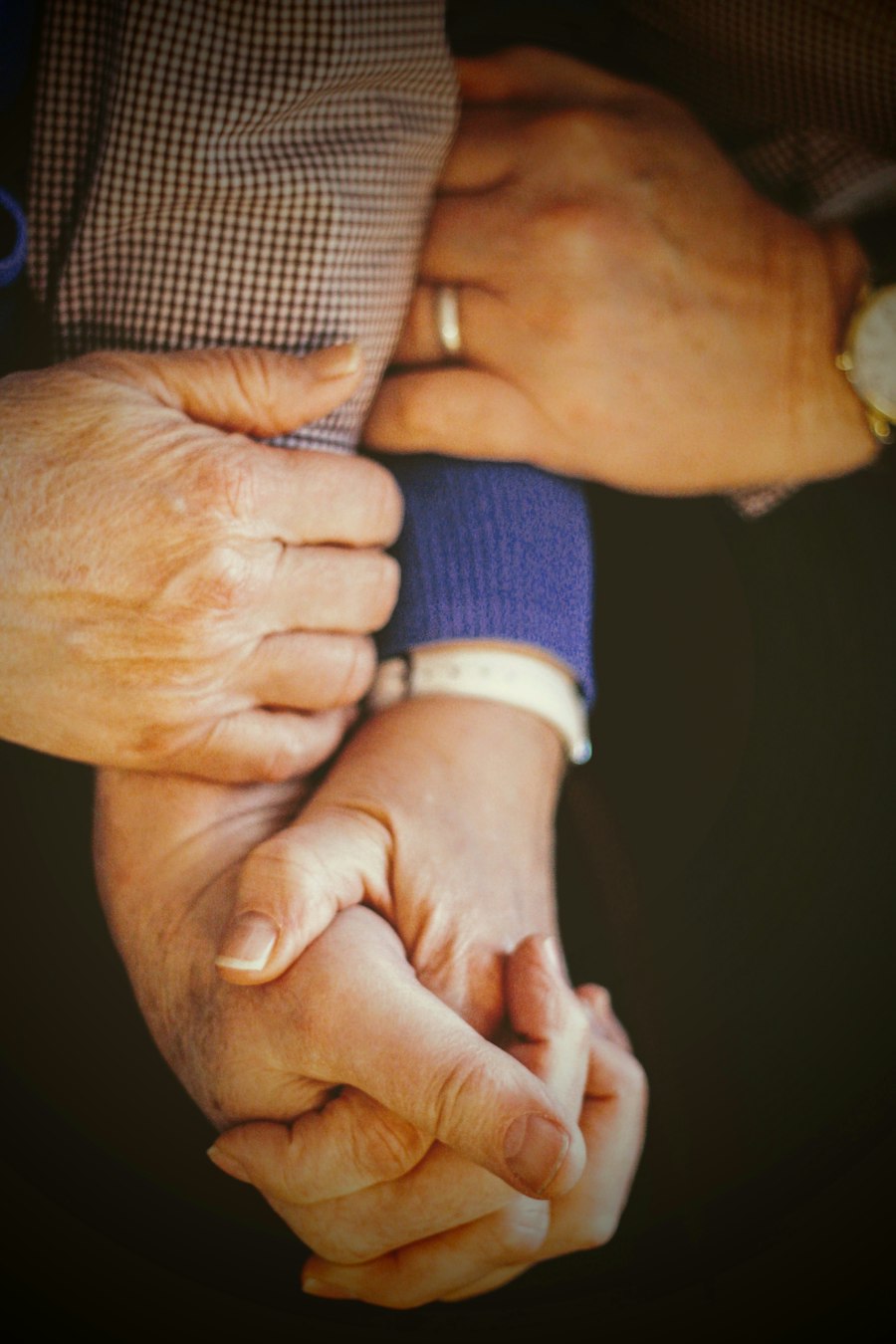
One-to-one Close-up of a younger hand resting gently over an older person's hand

Companionship hours

For residents who find groups overwhelming, a care partner is assigned for unhurried one-to-one time: folding laundry, sorting buttons, walking the loop, or simply sitting together without any expectation of talk. This is where we see the deepest settling.

Minimum 2 hours daily

How support deepens as dementia progresses

Residents are not moved between buildings as needs change. The same household, the same care partners and the same room stay with them; only the level of support rises.

Early stage

Keeping identity intact

  • Independence encouraged with quiet cues, not correction
  • Purposeful roles in the household — setting the table, watering the herbs
  • Memory-building routines and written reminders that stay discreet
  • Family involved in every goal, reviewed every 90 days
Middle stage

Reducing distress, gently

  • All personal care delivered as a two-person, unhurried routine
  • Behaviour read as communication — hunger, pain, fear, boredom, noise
  • Structured activity moved earlier in the day to protect evening calm
  • Speech-free communication: gesture, touch, song, familiar objects
Later stage

Comfort as the whole plan

  • Oral, skin and positioning care on a set comfort round
  • Texture-modified diet with speech-and-swallow oversight
  • Music, hand massage and presence replace task-based activity
  • Hospice partnership so no one has to move again at the end
A smiling male nurse in blue scrubs holding a stethoscope Every care partner completes 48 hours of dementia-specific training before their first solo shift.
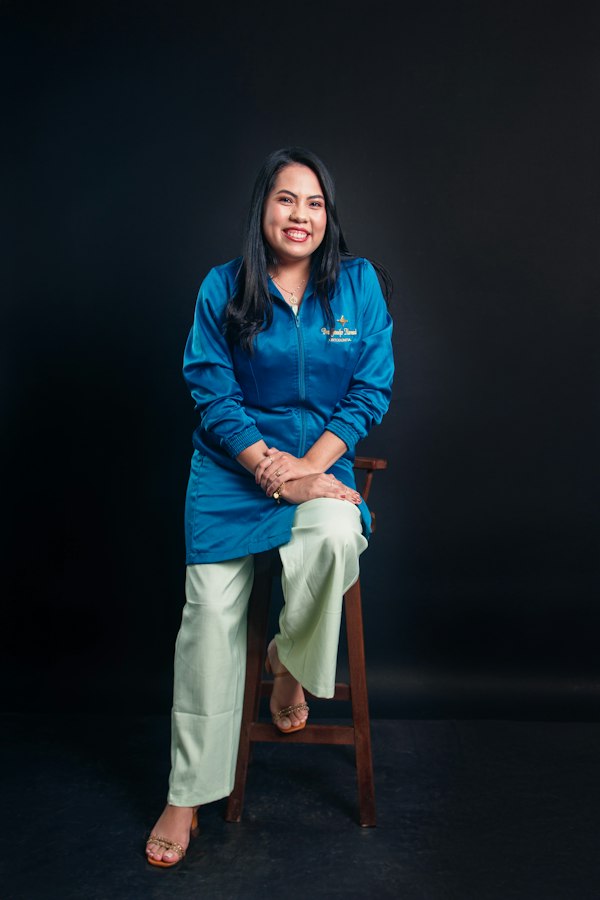
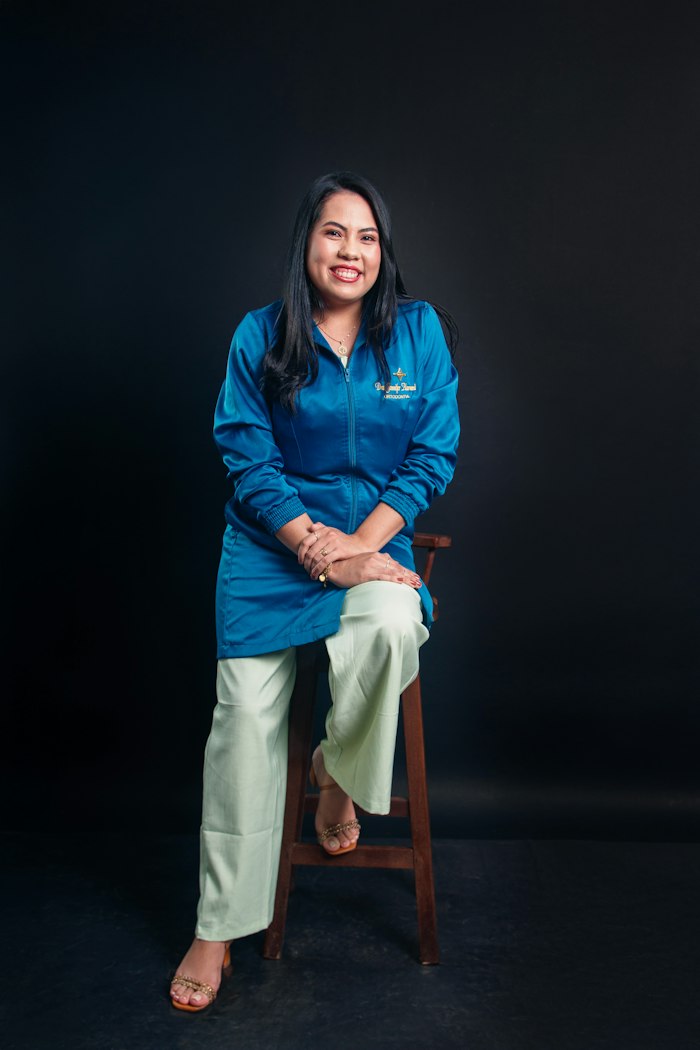
Portrait of a smiling nurse in teal scrubs seated on a stool
Portrait of a short-haired professional in a crisp white shirt indoors
Staff & training

You cannot improvise your way through dementia care.

Our teams are not generic caregivers assigned to a memory unit. Every care partner, housekeeper, cook and activity facilitator is trained and assessed in dementia practice, and each household is led by a care lead with at least eight years in cognitive care.

48-hour foundation courseDementia types, symptom patterns, communication and personal-care practice, with observed competency sign-off.
Distress & pain recognitionReading facial cues, vocalisation and withdrawal, plus structured pain assessment for residents who can no longer report it.
De-escalation without restraintRedirection, validation and environmental rescue before any chemical intervention is ever considered.
12 hours every year, foreverMandatory annual refreshers, monthly supervision and reflective practice sessions. Training never stops at induction.
Fixed-household assignmentCare partners are rostered to one household only, so the person doing the caring is usually a familiar face, not a stranger.
Family communication standardEvery change in condition is phoned the same day, in plain language, with what we did and what we are watching next.
Portrait of Marisol Aquino, Director of Memory Care, in teal scrubs
Marisol Aquino
Director of Memory Care

Sixteen years in cognitive care and a certified dementia practitioner. Marisol leads the life-story programme and personally interviews every family before move-in.

Portrait of Dev Raman, Memory Care Educator, in blue scrubs with a stethoscope
Dev Raman
Memory Care Educator

Registered nurse and our in-house trainer. Dev writes the 48-hour foundation course and runs monthly de-escalation simulations for every household.

Portrait of Dr Hana Mori, Consulting Clinical Director, in a white shirt
Dr. Hana Mori
Consulting Clinical Director

Geriatrician with a memory-clinic background. Dr. Mori reviews every medication chart quarterly, with a standing goal of reducing sedatives.

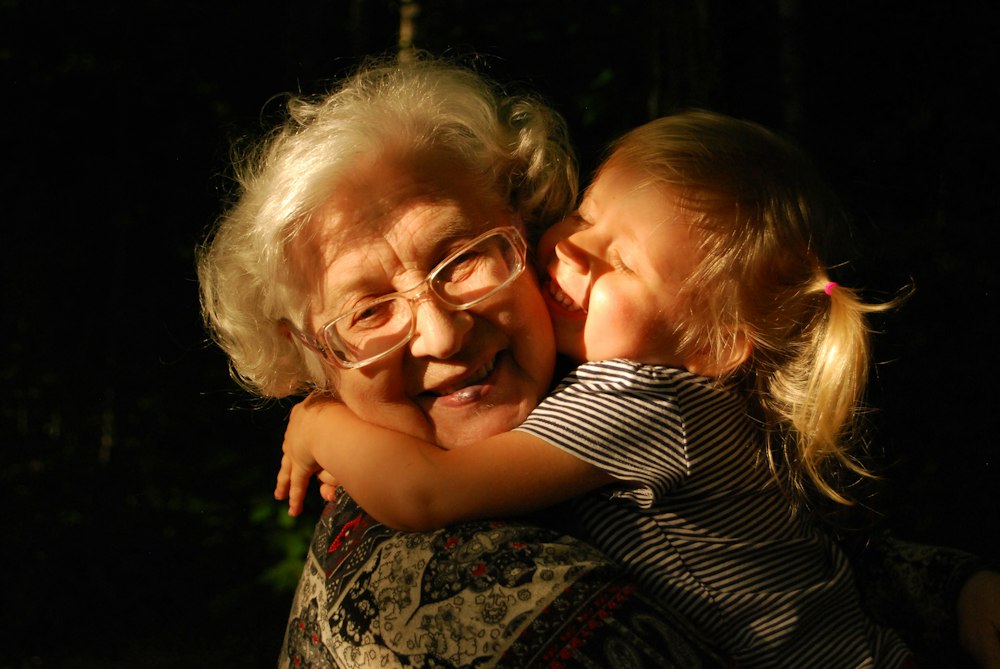
An older woman with glasses smiling as a young child hugs her tightly in warm golden evening light Family relationships do not end at the front door. Neither does our responsibility to them.
Family support

You are not a visitor here. You are part of the care.

Dementia care is often harder on the family than it is on the person living with it. Living with the same question every day — am I doing the right thing? — is exhausting, and it is not a question you should have to answer alone. Everything below is included in the fee, not sold as an extra.

Family portal

A private login showing today's meals actually eaten, sleep and settling notes, activities joined, any skin or weight change, and photographs from the day. Updated by the shift that delivered the care — not transcribed later.

Monthly carers' circle

An evening group for spouses, adult children and siblings, facilitated by a counsellor and closed to staff. It is the only room at Gentle Hands where the conversation is about you rather than your relative.

Counselling, on us

Six funded one-to-one sessions with a dementia-specialist counsellor in your first year, extendable whenever grief arrives early — which it usually does, long before the diagnosis runs its course.

Trial and respite stays

Two weeks to two months, with no commitment to continue. Families use it for a hospital discharge, a carer's own operation, or simply to find out whether this is the right next step before making an irreversible one.

90-day care conferences

A scheduled hour with the care lead, nurse and activities facilitator to review goals, medication, mood and anything you have noticed. You leave with a written summary and named actions.

The 8pm line

A direct number to the household nurse, answered by a person, seven nights a week until 10pm. Bad news travels slowly at night — we would rather you called than lay awake.

We toured four places. Three of them told us what they would do about Mum's wandering. Gentle Hands asked what she used to do at four in the afternoon, and then told us they would make sure there was a kettle and a garden to walk to at that hour. Eighteen months on, she still has her own kettle.

Portrait of a family member seated on a garden bench
Claire Bennett Daughter of a resident · sample testimonial
The environment

Designed so that nobody ever feels lost, confused or watched.

Architecture is a clinical intervention in dementia care. Ours was designed with a dementia environmental psychologist from the first sketch: sightlines, light, scale and wayfinding are all doing therapeutic work before a single person walks in.

Natural light & circadian lighting

Daylight is the strongest anchor for a broken body clock. Bedrooms face east, communal rooms south, and lamps shift warmer and dimmer from 6pm to cue sleep without medication.

A closed garden loop

A continuous path with no dead ends and no visible fence, so walking has a destination and a way back. Raised beds, a covered seat every twelve metres and a potting bench residents can use alone.

Wayfinding you can read

Each bedroom door carries a memory box of personal objects and a photograph of the resident decades ago. Corridors are colour-zoned and end in a familiar view rather than a blank wall.

Unobtrusive security

Exit doors sit behind a silent, camouflaged threshold — no keypads, alarms or buzzers in the resident's path. Staff wear location technology instead, so nobody is followed or physically steered.

Household kitchens, on purpose

Each household has an open domestic kitchen. Sound and smell of cooking reach the sitting room all day, which is the single most reliable trigger of appetite and long-term memory we have.

A quiet room, always open

One unstaffed, uncrowded, softly lit room per household with a single armchair and no expectations. Overstimulation is the most common cause of an incident, and this is the pressure valve.

Consultation

Start with a conversation, not a commitment.

A consultation is an hour with a senior care lead — not a salesperson. Bring your questions, your fears and your relative. We will walk you through the residence, meet whoever is coming with you, and tell you honestly whether we are the right fit. Roughly one family in five leaves us to recommend somewhere else, and we will happily name it.

  • Free, unhurried and with no obligation to proceed
  • A clear written breakdown of fees and funding options
  • Trial stay available before any long-term decision
  • Same-day callback on every enquiry, including weekends
1-800-555-0188Admissions line · 8am–8pm, seven days
hello@gentlehandsmemorycare.comReplies within one working day
28 Willowmere Lane, Brookhaven, OR 97006Free parking · step-free entrance

Book your consultation

Tell us a little about the person you are asking about. Nothing here is a commitment, and we will never pass your details to a third party.

Or call 1-800-555-0188 — a person answers.

Demo form: it does not send anywhere. Connect it to your CRM or inbox before launch.

Thank you — we have your request.

A care lead will call you the same working day. If you would rather not wait, the admissions line is open until 8pm.

Common questions

The things families ask us first.

Yes, and we would rather meet you early than late. People who move in while they can still learn the household, make friends and join a routine settle far better than those who arrive in crisis after a hospital stay. Early-stage residents keep meaningful independence here: they set tables, garden, walk the loop alone, and are not managed into a chair.

Between 7am and 9pm, every day, with no booking and no signing-in desk. You can join a meal for the cost of the plate, take your relative out for the day, and bring children and dogs. We do ask that you avoid the last hour before sleep unless your relative has asked you to be there — evenings are when settled routines matter most.

As communication, not as misbehaviour. Walking is usually a search for something — a toilet, a person, a job, an exit from noise. Our first response is to solve the underlying need: a visible toilet, a purposeful task, a quieter room, or pain relief. The garden loop gives walking somewhere to go. We do not use physical restraint, locked bedroom doors, or sedatives as behaviour control; if medication is ever used, it is a documented clinical decision reviewed by our consulting geriatrician.

One monthly fee covers the room, all personal care, three meals plus snacks, laundry, activities, the family portal, counselling sessions, and nurse coverage around the clock. There is no charge for a higher level of care as someone declines, and no activity, transport or family-support surcharges. Some funding support may be available depending on your region and your relative's circumstances — we will map out exactly what applies before you decide anything.

Yes. Respite and trial stays run from two weeks to two months in the same rooms and households as permanent residents — not a separate wing. You get the true experience of a day here, we get to know your relative properly, and neither side is committing to anything. Many of our residents arrived this way, and many families used it and then decided to keep caring at home with more support. Both outcomes are fine with us.

They stay in their own room, with the care partners they know, and we bring hospice in to work alongside our team. No one is transferred to an unfamiliar facility at the end. We also keep the household's ordinary rhythm going around them, and we make sure the family has somewhere to sleep, eat and be private for as long as they need it.